

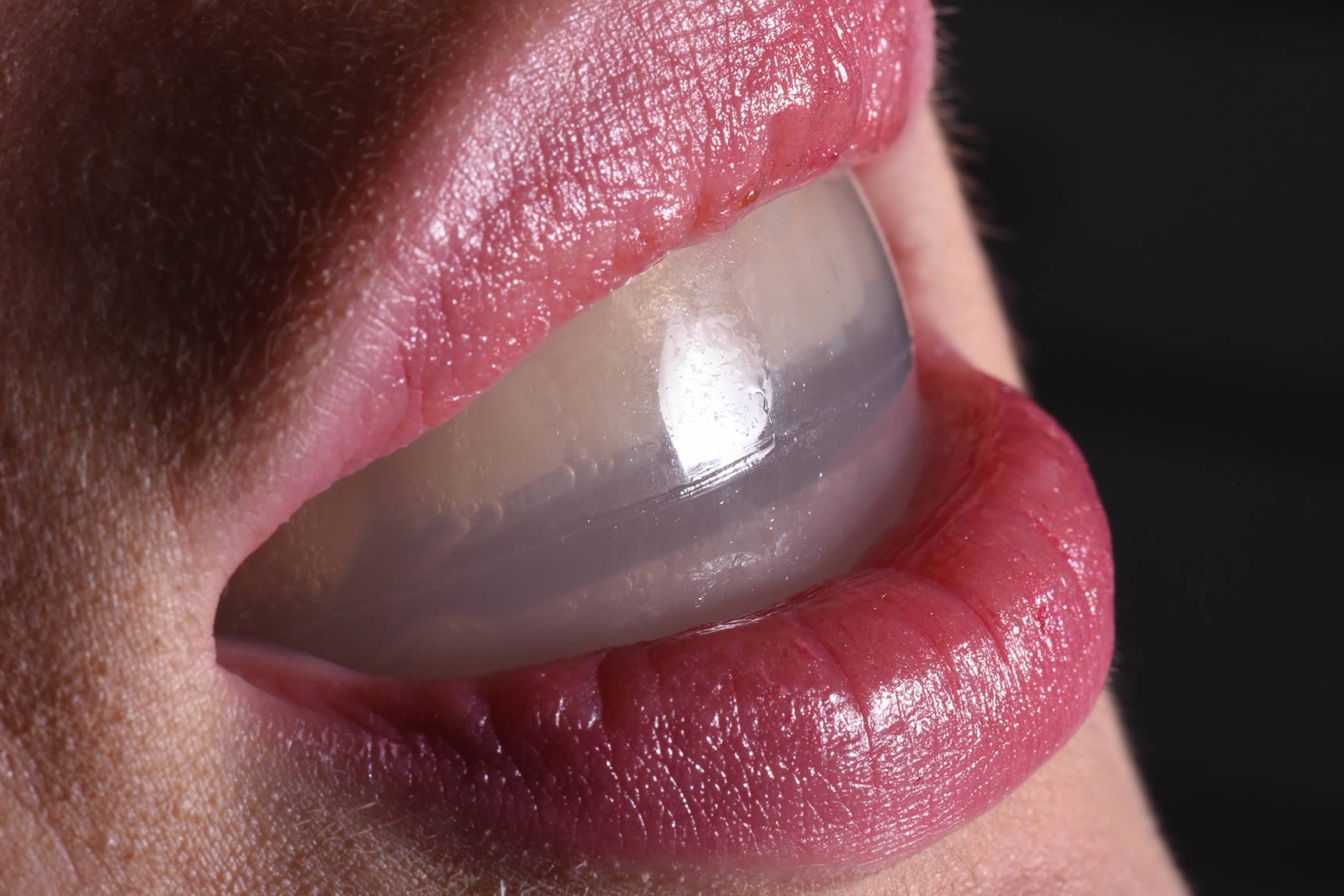
Elastadontics is an innovative and relatively new area which focuses on the mouth’s overall structure, including the dental arches, muscles and bones. Its main aim is to improve the patient’s chewing action, ensuring a healthy bite and aesthetically pleasing smile.
Elastodontics and the treatment of common dysfunctions
Dysfunctions such as breathing through the mouth instead of the nose when growing up can lead to malocclusion and problems related to the temporomandibular joint. Elastodontics intervenes by means such as correcting facial elongation, improving jaw position and resolving problems such as crossbite. Some children are not able to swallow correctly when they transition from liquid to solid food and an elastic device can help this by addressing the neonatal sucking patterns that move teeth into undesirable positions.
How elastodontics work
Elastic braces not only promote the synchronised movement of both jaws and their teeth, but can also activate jaw growth. Patients wear the elastic braces for two hours a day for the first ten days, progressing then to the entire night and two hours during the day. This targeted approach not only aims to correct facial asymmetries and open bites quickly, but can also expand the arches and correct deep bites. This effective and less invasive treatment is particularly suited to children.